Capabilities
What we do, in depth.
Five disciplines that overlap on almost every project. We pick the right technique — classical or modern — and channel it into efficient software.
FE Analysis & Optimization
Bespoke software to automate complex finite-element analysis and structural optimisation — wrapped in tools your engineers can actually drive.
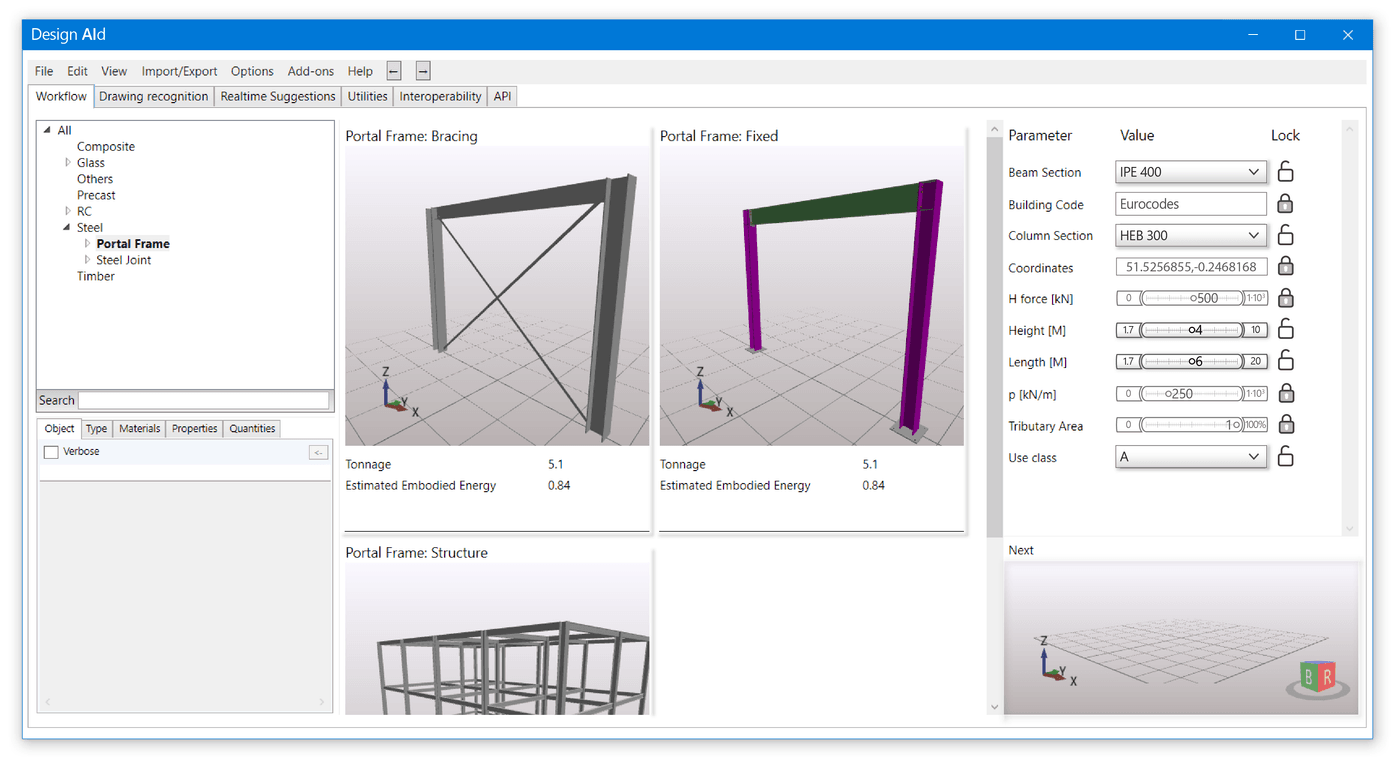
- Steel-member optimization that maximises utilisation across hyperstatic systems, re-solving internal forces at every iteration.
- Clustering of sections and parts to cut the number of distinct profiles — reducing variability, cost and waste while respecting constraints.
- NL gradient descent and stochastic gradient descent integrated with FE solvers.
- Bespoke heuristics: genetic algorithms, simulated annealing and multi-objective optimization.
- Custom plugins for the major FE and CAD packages, plus standalone optimization GUIs.
Machine Learning & Data Science
Machine learning, AI and state-of-the-art algorithms applied to engineering problems — from aerospace to civil to mechanical.
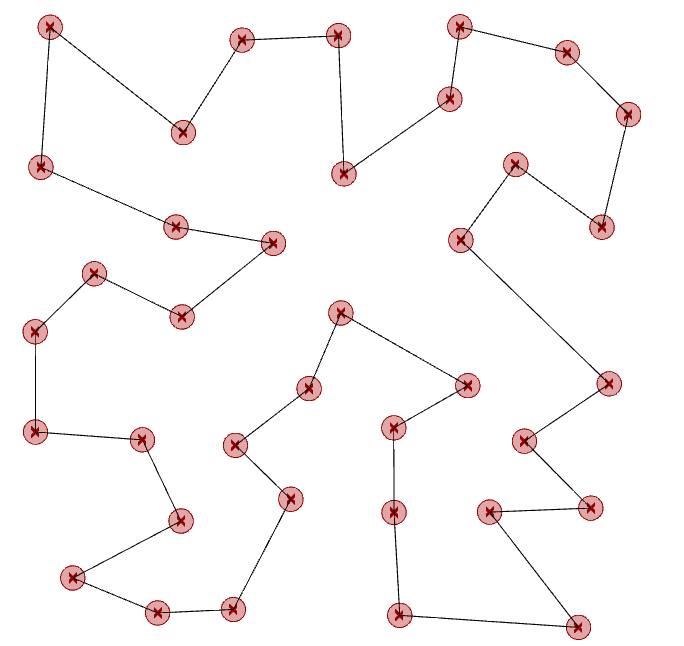
- Automatic design of steel-joint connections suggested with high accuracy by ML and optimization.
- Analysis of a wide range of medical scans to derive insight and support clinicians’ decisions.
- Statistical learning to build predictive models and expose the underlying phenomena, complementing deep learning.
- Deep learning in practice: RNN/GRU for sequence generation, CNNs to identify structural sections from point clouds, GANs to generate viable, optimized frame structures.
- Clustering across structural and architectural parts to reduce variability and cost.
Signal Processing & Dynamics
Signals, sensors and structural dynamics — research-grade methods turned into interactive, usable tools.
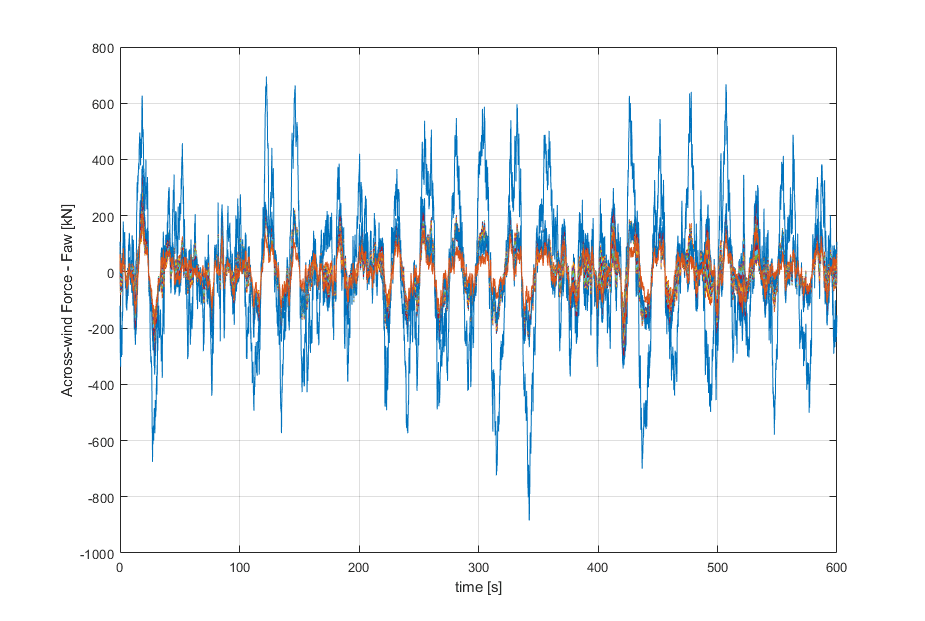
- Generation of spatially and temporally correlated signals from spectra, used to simulate wind turbulence on slender structures — skyscrapers, bridges and cable structures.
- Analysis of months of a high-rise building’s acceleration data and its correlation with wind speed.
- Frequency-sensitivity analysis of the highest response factors to quasi-random inputs.
- FE models and Matlab/Python scripts modelling response to wind, pedestrian movement and machinery.
- Field instrumentation: Arduino-based sensing with ~660M data points and bespoke apps for real-time transfer functions and correlations.
Computational Geometry
Making free-form geometry buildable: meshing, reparameterization and vector-field methods built on optimized C++ libraries.
- Quad-only remeshing aligned to custom stress and curvature fields, with user-weighted field blending.
- State-of-the-art surface reparameterization and feature selection.
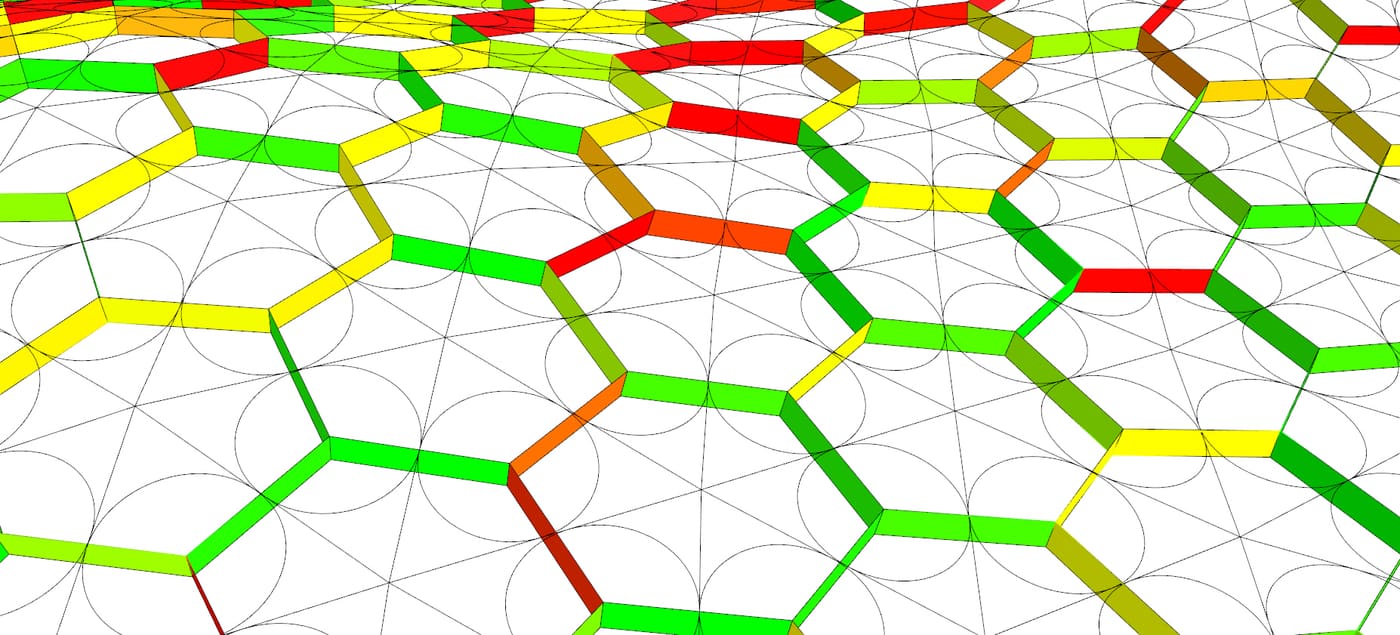
- Free-form glass-panel optimization: a two-stage algorithm that reduces panel curvature, then clusters panels to minimise the number of moulds — cutting cost and wastage.
- Surface rationalisation that reduces curvature and clusters panels while keeping edge continuity.
- Real-time geometry voxeling in C++ and differential computational geometry on discrete surfaces.
Software & Cloud Development
Full-stack web and standalone software — scalable, expandable, API-driven and easy to use.
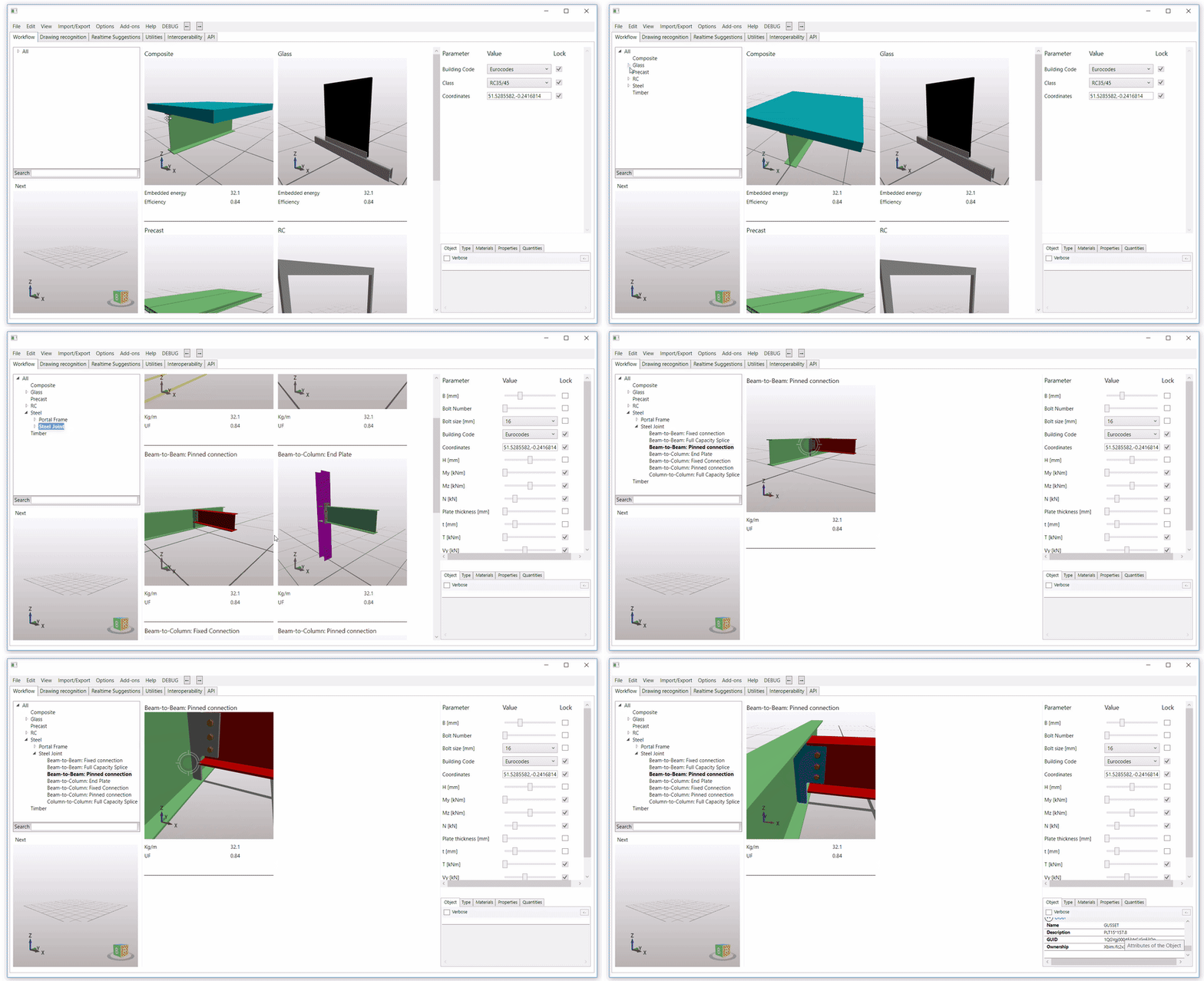
- Standalone C#/C++ software, from simple GUIs to interactive 3D visualisation over your analysis backend.
- Large, scalable frameworks with clean APIs that are straightforward to expand.
- Cloud architecture on Azure — native apps with cloud web servers and databases, ML deployed on AzureML.
- Interoperability and database frameworks that move data cleanly between the many tools in an engineering stack.
- Add-ins for the Synera visual-programming platform, developed in close partnership.
Not sure which of these you need?
Describe the problem — we'll tell you how we'd approach it.