Paper · IASS 2018, MIT
Machine learning and optimization for steel connections
Teaching a model to design steel end-plates from thousands of connections designed before.
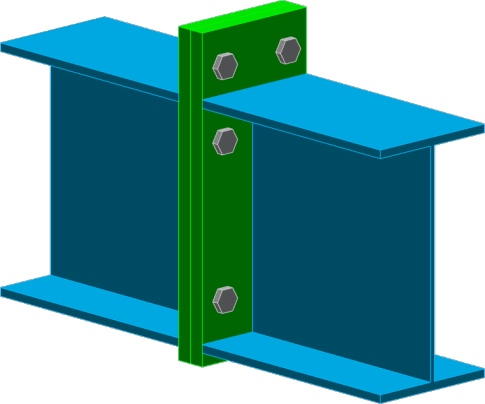
Machine Learning and Optimization techniques for Steel Connections, by Lorenzo Greco, presented at the IASS Symposium 2018 “Creativity in Structural Design” at MIT.
Engineers design the same structural elements again and again without learning from what has been done before. The paper takes one such task, the design of steel end-plate connections, and trains machine-learning models on data sets of connections designed to Eurocode 3, so that a new joint can be designed by prediction instead of by search.
Learning from Eurocode designs
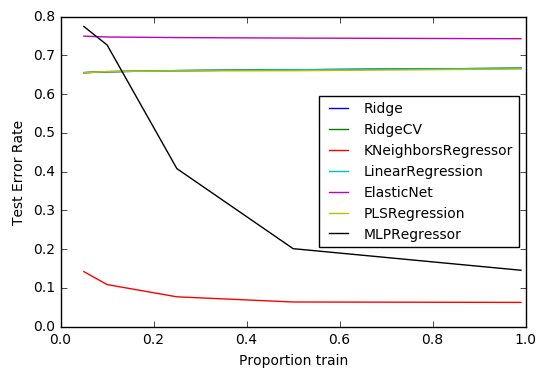
The training data came from a custom Eurocode 3 designer and from the connection checker in Autodesk Robot, covering forces, bolt layout and plate thickness. A benchmark of seven regressors, from linear models to a neural network, showed K-nearest neighbours with three neighbours to be the most accurate, and once trained it scales far better than running an optimization for every joint.
Tested on a real building
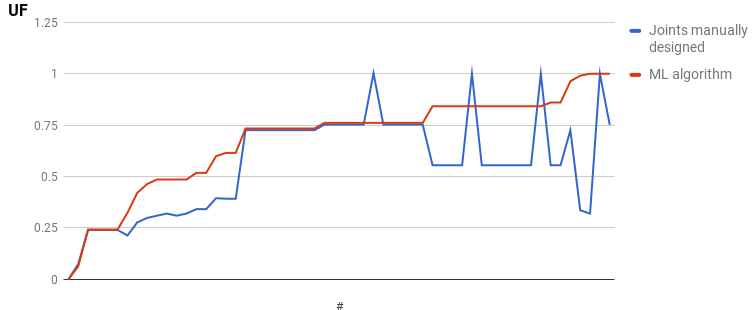
The model was then applied to 24 end-plate connections from a seven-storey commercial building in London. Its predictions differed from the joints actually used, but closely matched the same joints once they were optimized in Robot. The predicted connections were almost always more highly utilised than the ones built, which suggests material could have been saved.
More in Research
Related work.
Interested in Machine learning and optimization for steel connections?
Tell us about your problem — we’ll tell you how we’d approach it.